What Are the Three R’s of Recycling?
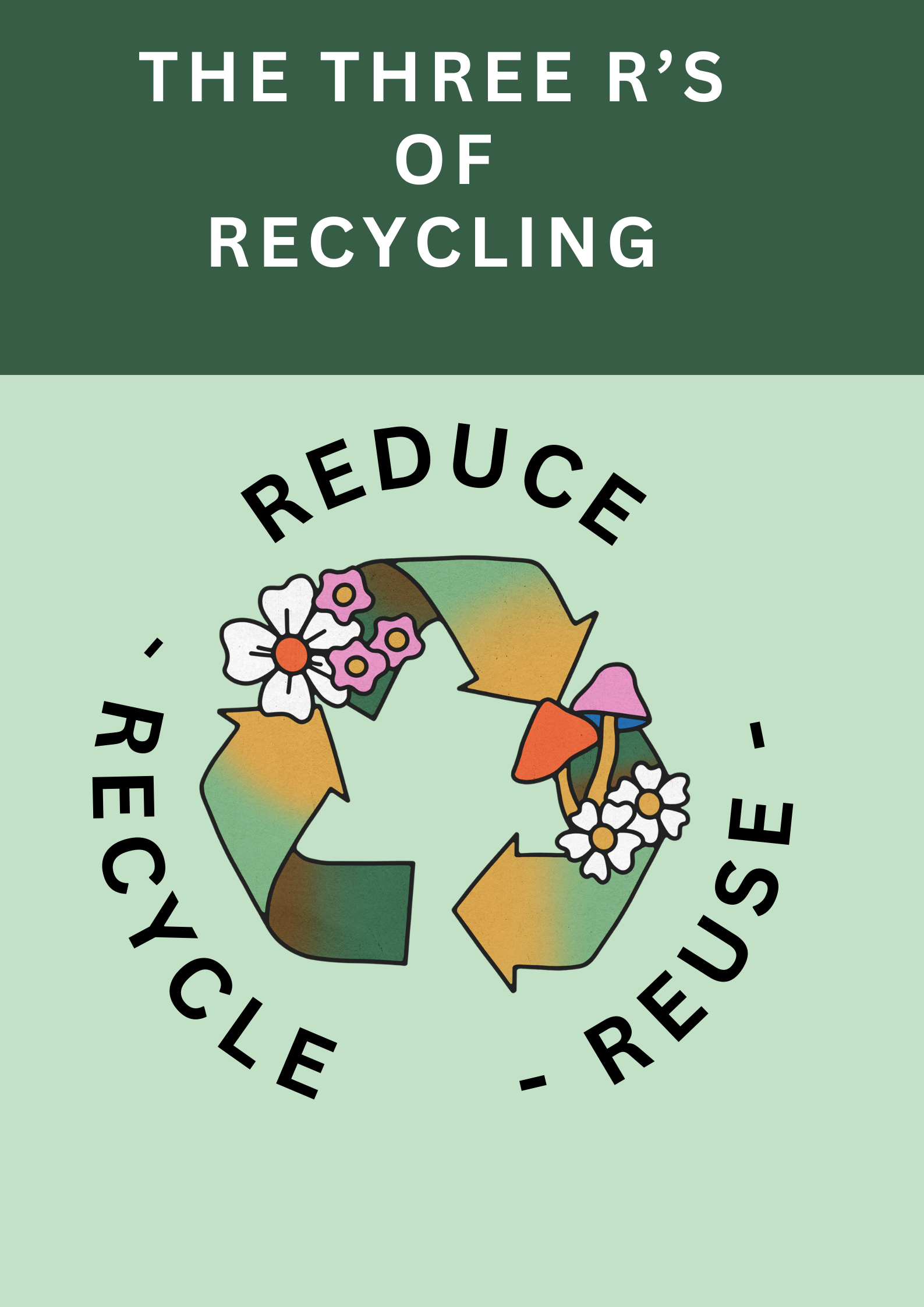
The three R’s of recycling — reduce, reuse, and recycle—are now one of the key strategies for reducing environmental impact and promoting sustainable living.
Let’s discuss the three R’s in promoting a circular economy.
Reduce: Cutting Waste at the Source
To begin with, the first R encourages individuals and businesses to minimize their consumption of resources and products.
Reducing consumption helps to decrease the over-all demand for raw materials, energy, and water, which, in turn, lessens the environmental impact associated with extraction and production process.
To reduce effectively, individuals can make conscious choices such as opting for products with minimal packaging, using reusable containers, and adopting a more minimalist lifestyle.
Businesses can contribute by optimizing production processes, implementing energy-efficient technologies, and promoting eco-friendly products.
Reuse: Extending a Product’s Life
The second R emphasizes finding new purposes for items rather than discarding them after a single use. Reusing items extends their lifecycle, conserving resources and energy that would otherwise be used in the production of new goods.
Simple practices, such as using cloth bags instead of plastic ones, repairing items instead of replacing them, and donating or selling gently used items, contribute significantly to the reuse concept.
By incorporating the principle of reuse into our daily lives, we can reduce the amount of waste generated and promote a culture of sustainability.
Recycle: Turning Waste into New Resources
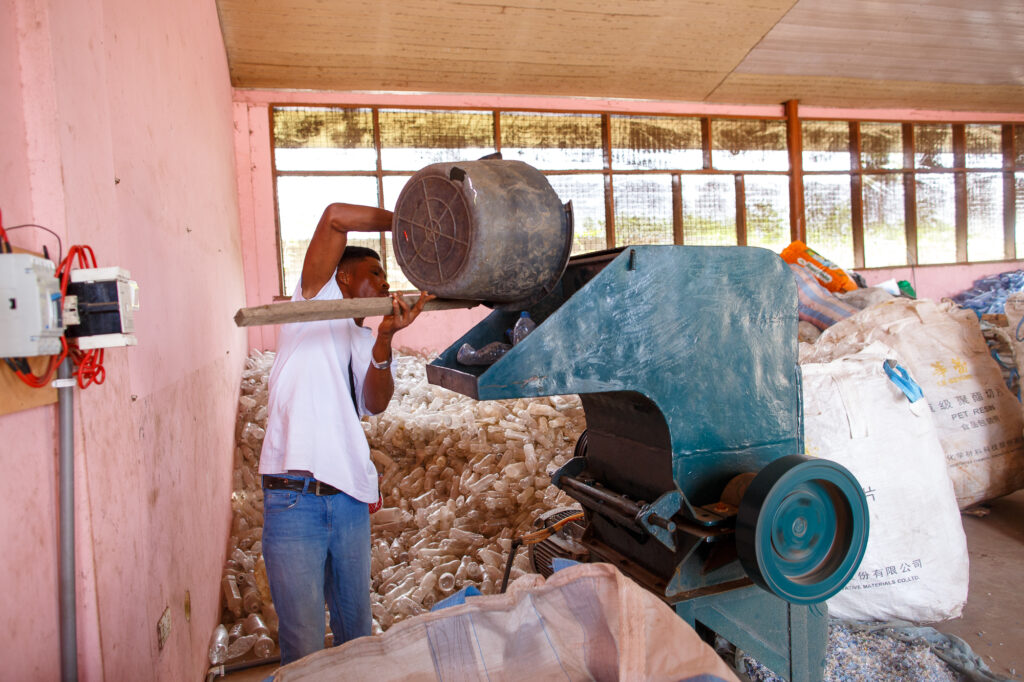
Finally, the third R involves the systematic collection and processing of materials to create new products. Recycling helps divert waste from landfills, conserves resources, and reduces the environmental impact of manufacturing.
Common materials that are recycled include paper, glass, plastic, and metal. Individuals can participate in recycling programs in their communities, separating recyclables from regular waste. It is crucial to be aware of local recycling guidelines to ensure that items are properly sorted and processed.
Additionally, supporting products made from recycled materials closes the loop in the recycling process, creating a sustainable and circular economy.
Education, Awareness, and the Circular Economy
While the three R’s of recycling offer a framework for sustainable living, challenges still exist. Education and awareness play a crucial role in fostering a recycling mind-set. Many people may not fully understand the impact of their consumption habits on the environment or may be unaware of how to properly implement the three R’s.
Government initiatives, educational programs, and corporate responsibility are vital in addressing these challenges. Public and private sectors should collaborate to create infrastructure that supports recycling, develops innovative solutions for waste management, and encourages sustainable practices.
In summary, incorporating the three R’s of recycling into our daily lives is a powerful way to contribute to environmental conservation. By reducing consumption, reusing items, and recycling materials, individuals and communities can collectively make a significant positive impact on the planet.
Embracing these principles not only conserves resources but also fosters a sustainable and responsible approach to living their benefits current and future generations.