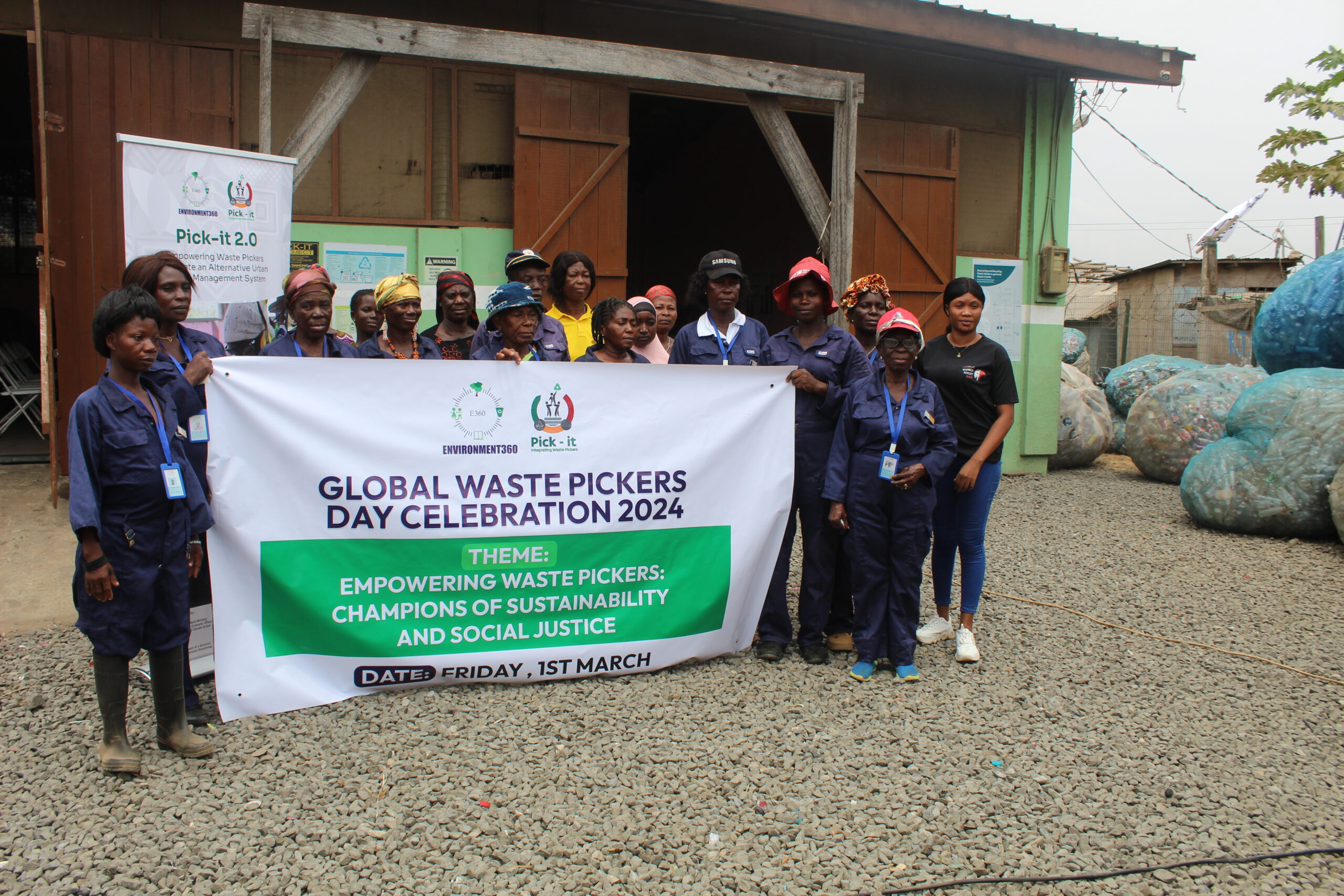
Plastic has become an integral part of our daily lives as a versatile and universal material, but the impact of plastic waste is indisputable, making it vital to understand the plastic recycling value chain.
To address this challenge, the concept of a circular economy emphasizes the importance of recycling and reusing materials, and understanding the plastic recycling value chain is key
Collection in the Plastic Recycling Value Chain
The first step in the plastic recycling value chain is the collection of plastic waste. This phase involves the cooperation of individuals, communities, and waste management systems to pick up plastic waste from our environment. The establishment of efficient collection ensure a steady supply of recyclable materials.

(Plastic Waste Collection)
Sorting Plastics for Recycling
Plastics are being sorted by employing the manual method or using advanced sorting technologies, including automated sorting machines and artificial intelligence, streamline the process, separating different types of plastics for optimal recycling.
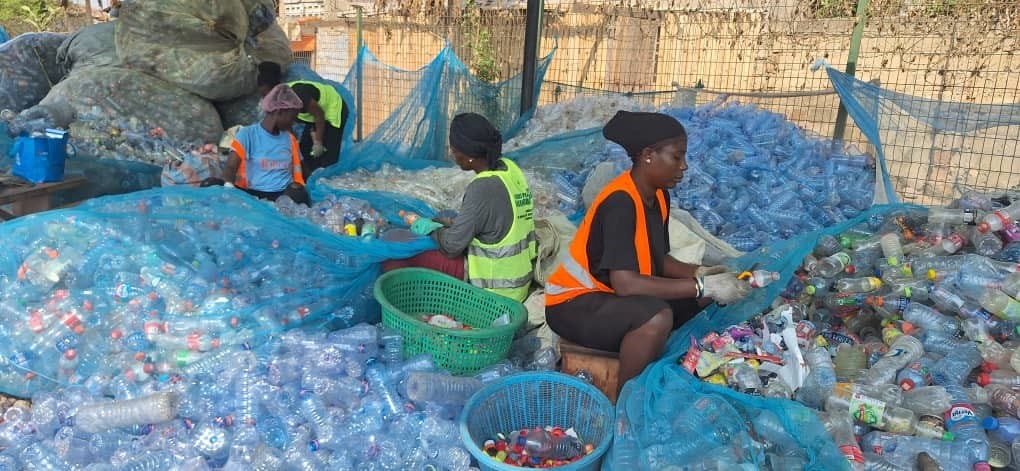
(Manual Sorting by Women)
Preparing Plastics for Recycling
At this stage, different types of plastics are crushed into smaller pieces; in flakes form to be used in the next process, known as recycling.
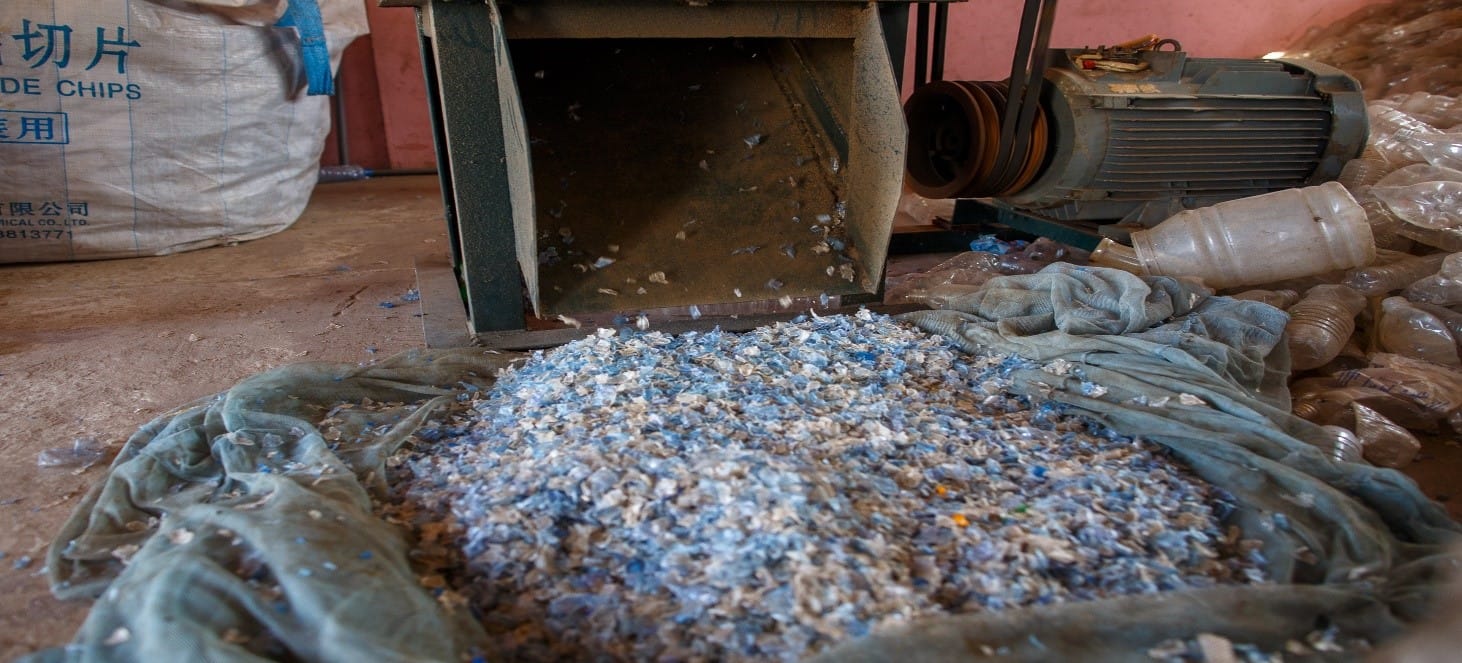
(Flaked Materials)
Recycling Processes in the Plastic Recycling Value Chain
In particular, recycling facilities play a key role in the value chain, where discarded plastics are converted into usable raw materials using various techniques such as mechanical recycling, chemical recycling and feedstock recycling.
Mechanical recycling involves melting and shaping plastic, whereas, chemical recycling involves breaking plastic down into its original components for reuse. Feedstock recycling converts plastic waste into valuable chemical feedstock’s.
More importantly, the choice of recycling method depends on the type of plastic.
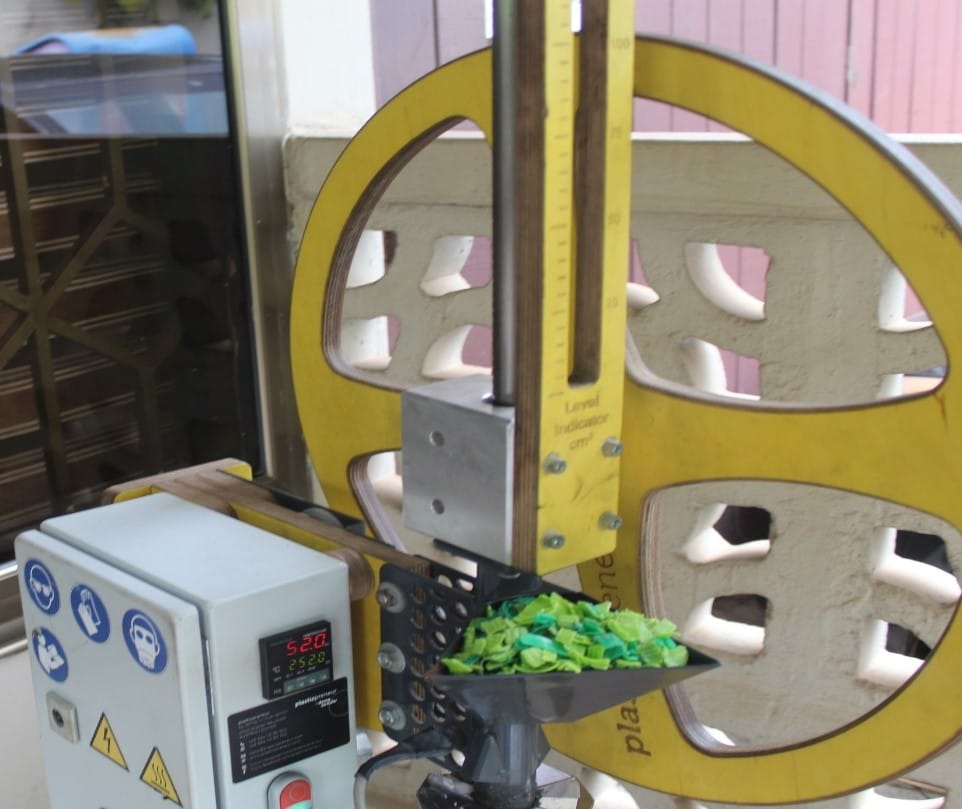
(Mechanical Recycling using Injection Machine)
Manufacturing Products from Recycled Plastic
The processed plastic is then used to make recycled products. This stage not only reduces the demand for virgin plastics, but also reduces the energy and resources needed to manufacture them.
A wide range of products can be made from recycled plastics, including containers, packaging and textiles, and building materials.
Consumers are increasingly recognizing the value of choosing products with recycled content, contributing to the market demand for sustainable alternatives.
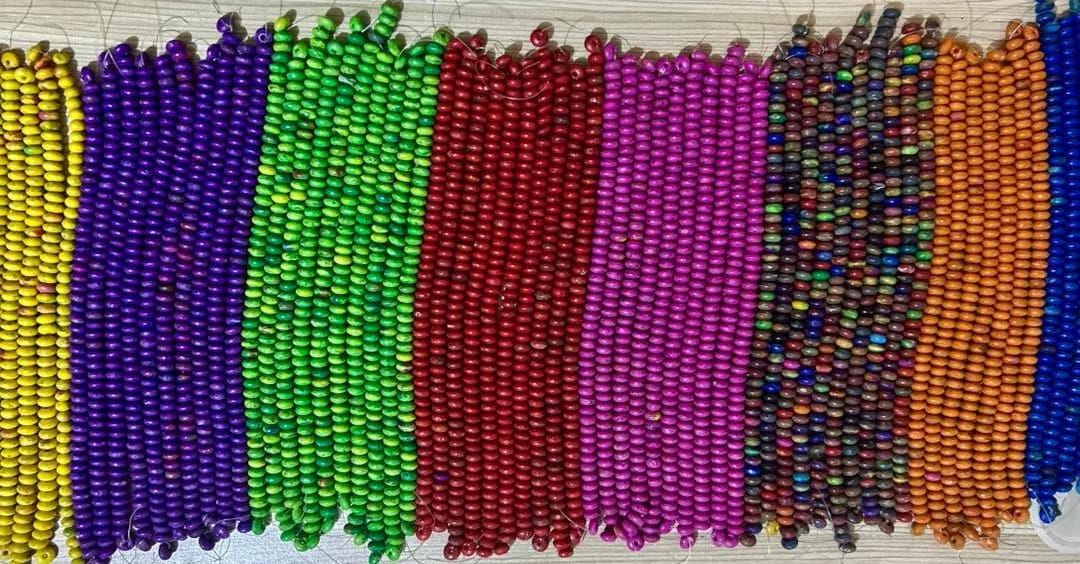
(Recycled Product)
Why the Plastic Recycling Value Chain Matters
The plastic recycling value chain illustrates the transformative potential circular economy, from collecting to manufacturing and beyond. Each stage plays a crucial role in creating a sustainable and closed-loop system.
Addressing the value chain along plastic recycling not only reduces the environmental impact of plastic waste, but also unlocks economic opportunities and promotes a more responsible and resilient society.